






 Midiplus
 Mandolins


Cajons






Cajons
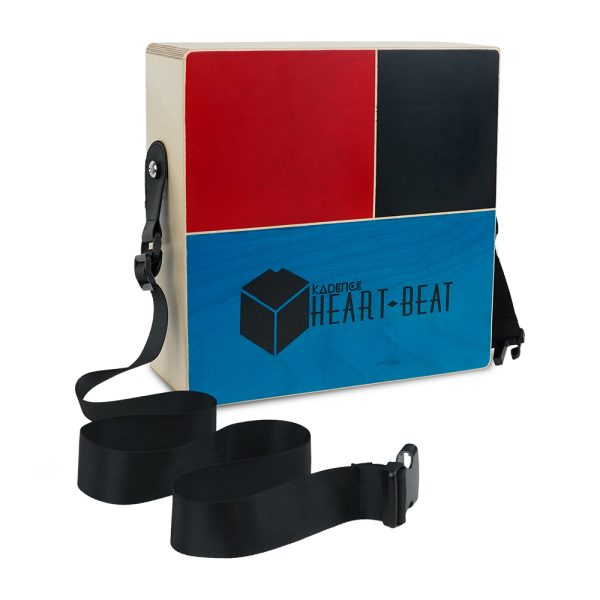
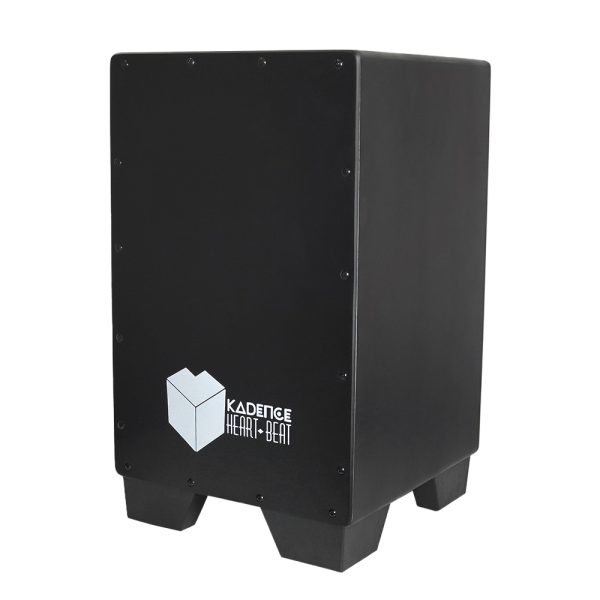
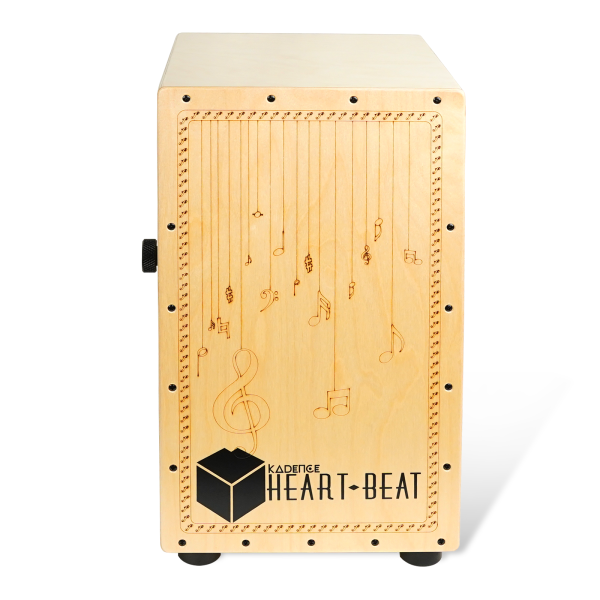
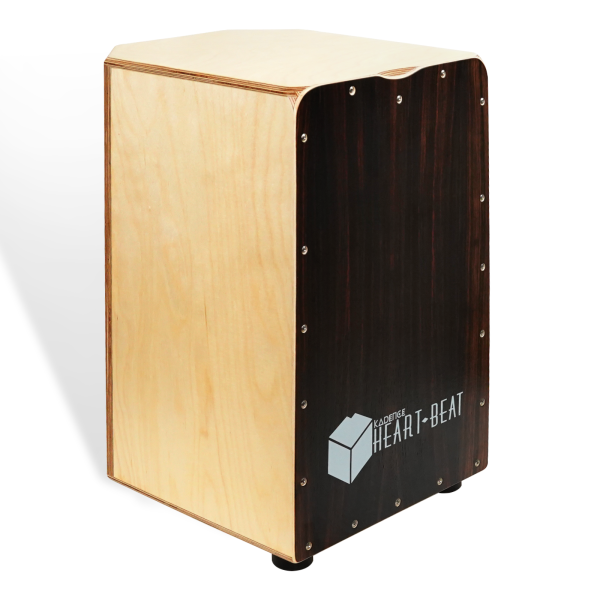
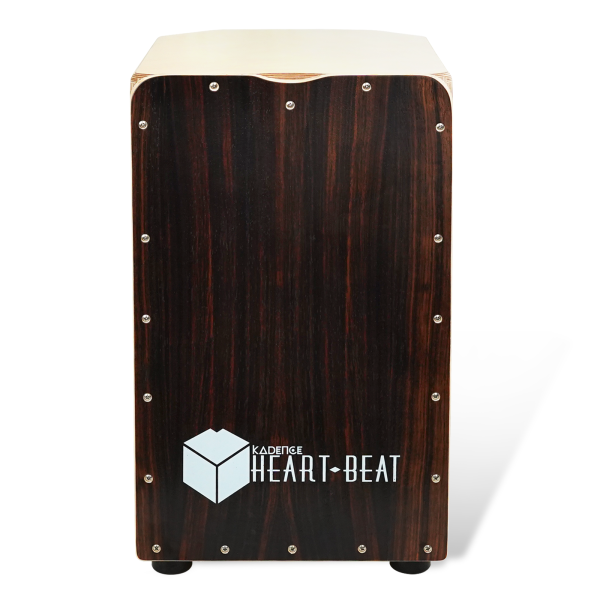
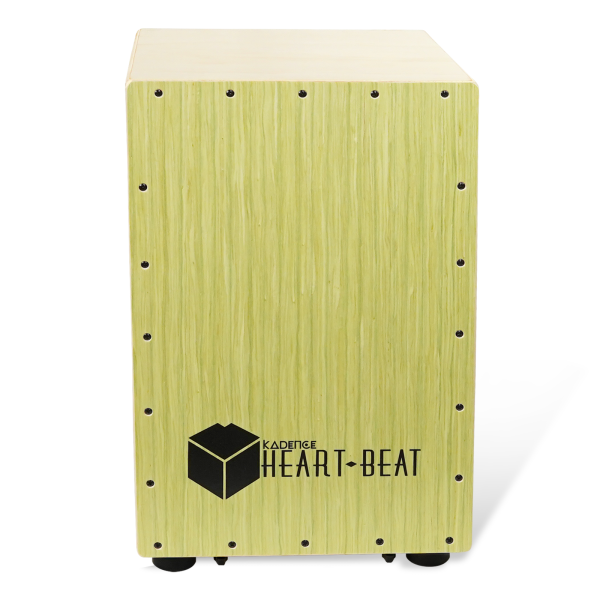
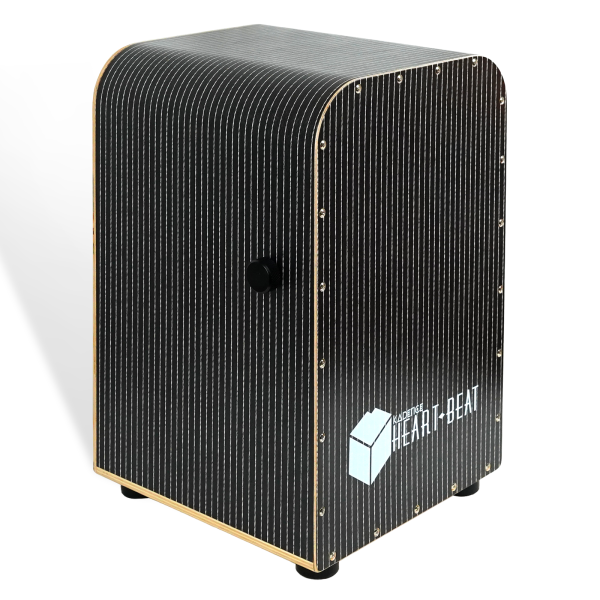
A cajon is a hand-played box drum. You sit on it and play the front surface to create rhythm. It is easy to carry, easy to start with, and useful for acoustic music, home practice, jam sessions, and small performances. This page includes travel cajons and full-size cajons across a price range of ₹3,999 to ₹9,999.
FAQs
What is a cajon?
A cajon is a box-shaped drum that you play with your hands.
You sit on it and tap the front panel to make different sounds. Hit closer to the centre for a deeper bass sound. Hit near the top edge for a sharper slap. That mix makes a cajon feel simple for beginners, yet expressive for experienced players.
What is a cajon used for?
A cajon is used to play rhythm.
It is common in acoustic gigs, unplugged sessions, jam circles, home practice, worship music, and small live setups. Many people choose it because it takes up less space than a drum kit and is easier to carry.
Is a cajon the same as a cajon drum?
Yes, tomato-tomahto xD, it is still the same thing.
People may call it a cajon, cajon drum, or box drum. We love complicating things.
How do you pronounce cajon?
Most people say it as kuh-hon.
You may also hear ka-hon. Both are commonly understood.
What is the price of a cajon in India?
ajon prices can vary quite a bit.
A beginner model often starts around ₹4,000 to ₹6,000. A better-built mid-range cajon is usually around ₹7,000 to ₹10,000. Premium models can go higher depending on wood, finish, construction, and sound quality.
Which cajon should you buy?
Start with how you will use it.
If you want something easy to carry, a travel cajon makes sense. If you want a fuller sound with stronger bass, a full-size cajon is usually the better choice. If you already play regularly, pay closer attention to response, projection, and how balanced the bass and slap feel.
What should you check before buying a cajon?
First, check comfort and sound.
Make sure the size feels right when you sit on it. Then listen for two basics: a low bass sound and a clear sharp slap. After that, look at the build quality, front panel response, snare feel, grip on the floor, and how consistent the sound stays when you play softly and loudly.
